
Why Modern Authors Are Team Goodspeed (And You Should Be Too)
Writing a book is a mountain of a task. You spend months or maybe years pouring your heart, late-night thoughts, and endless cups of coffee into a manuscript.

Writing a book is a mountain of a task. You spend months or maybe years pouring your heart, late-night thoughts, and endless cups of coffee into a manuscript.
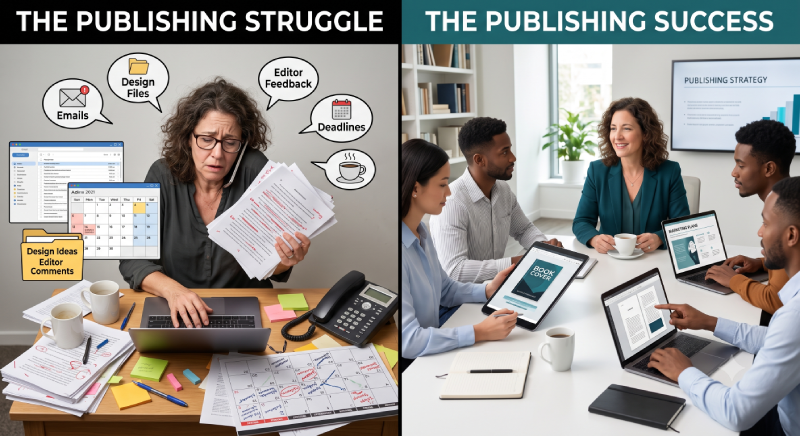
Ask any self-published author about their biggest headache, and they will likely give you the same answer: freelancer fatigue.

You are reading a gripping thriller. The tension has been building for chapters, and you are finally at the climax. The killer is about to be revealed, your heart is pounding, and then…

You know how you are scrolling through social media, and an ad pops up for a brand-new thriller.

Every year, thousands of incredible books hit the shelves and become instant hits. But a massive percentage of those books weren’t actually penned by the person whose name is plastered on the front cover. Instead, they were brought to life by a professional ghostwriter.
Writing a book is a dream for millions of people, but the thought of actually getting it published can feel completely overwhelming.

Most authors start their writing journey in total isolation. You spend months, sometimes years, alone at your desk, treating your manuscript like a closely guarded secret. Because you built this world from scratch, it is completely natural to fall into the DIY trap. You think I wrote the book, so I should probably format it, design the cover, manage the distribution, and handle the marketing myself, too.
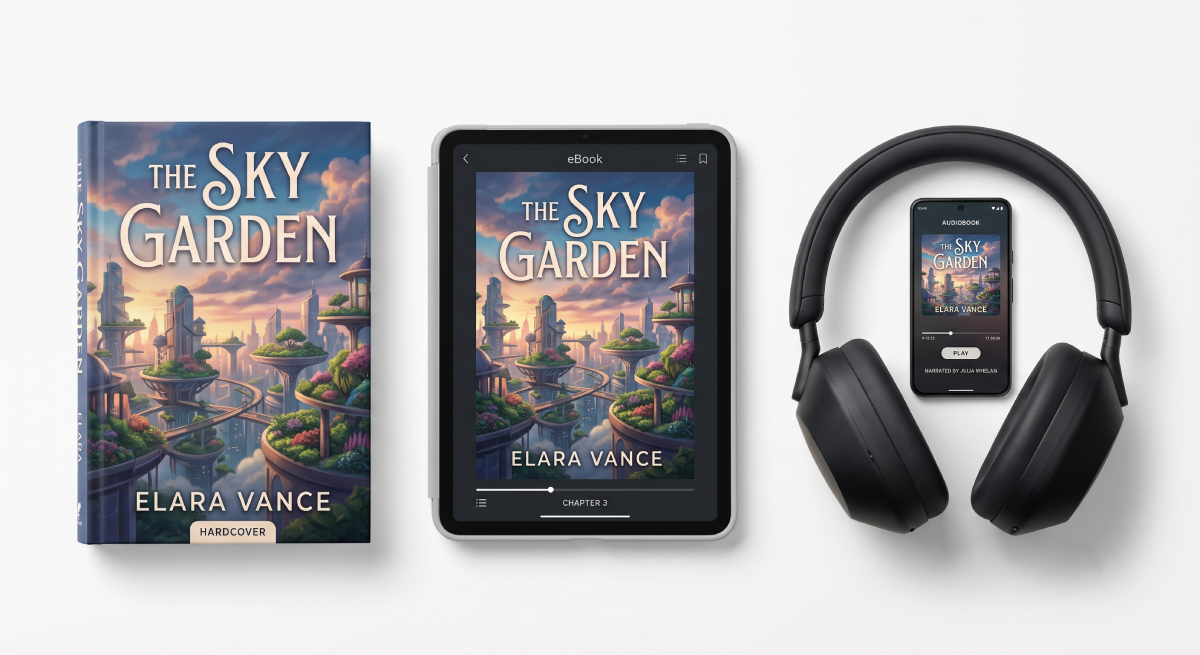
The way people read has completely changed. Gone are the days when launching a book simply meant printing a paperback or uploading a quick digital file to an online store. Today’s book buyers are incredibly diverse in how they consume stories. One reader might listen to a narrator during their chaotic morning commute, another might swipe through pages on a tablet before bed, and a third might want a beautiful physical copy to display proudly on their bookshelf.
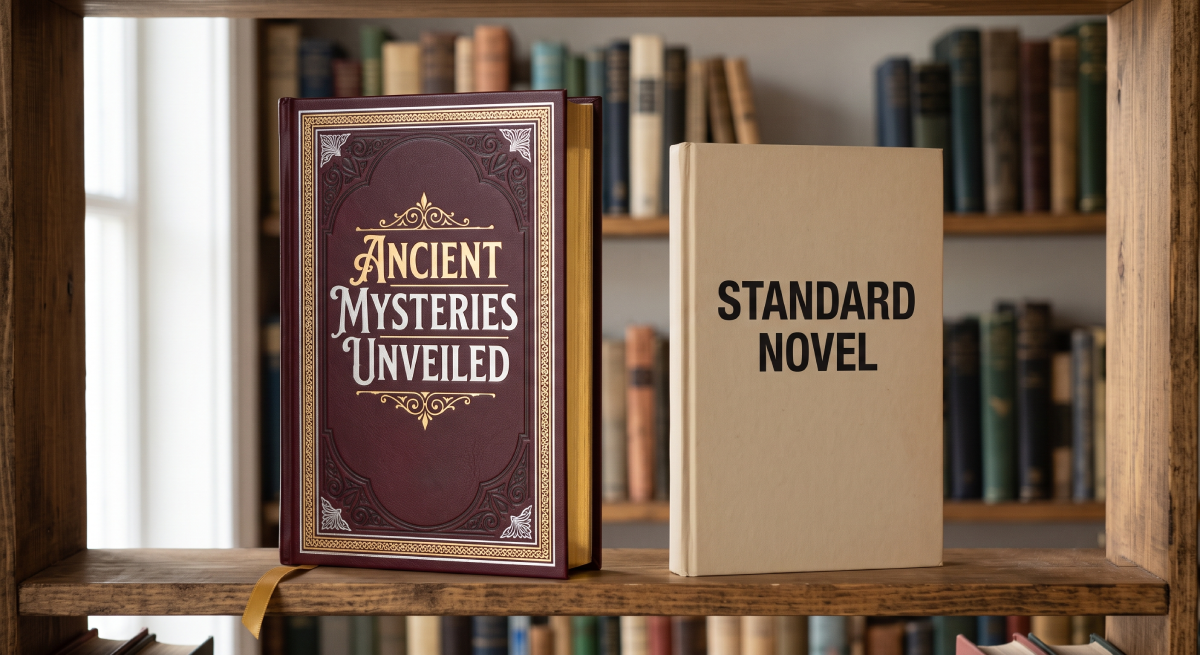
We have all heard the old advice to never judge a book by its cover. But in the modern book market, everyone does. In fact, readers today collect books as physical art pieces.
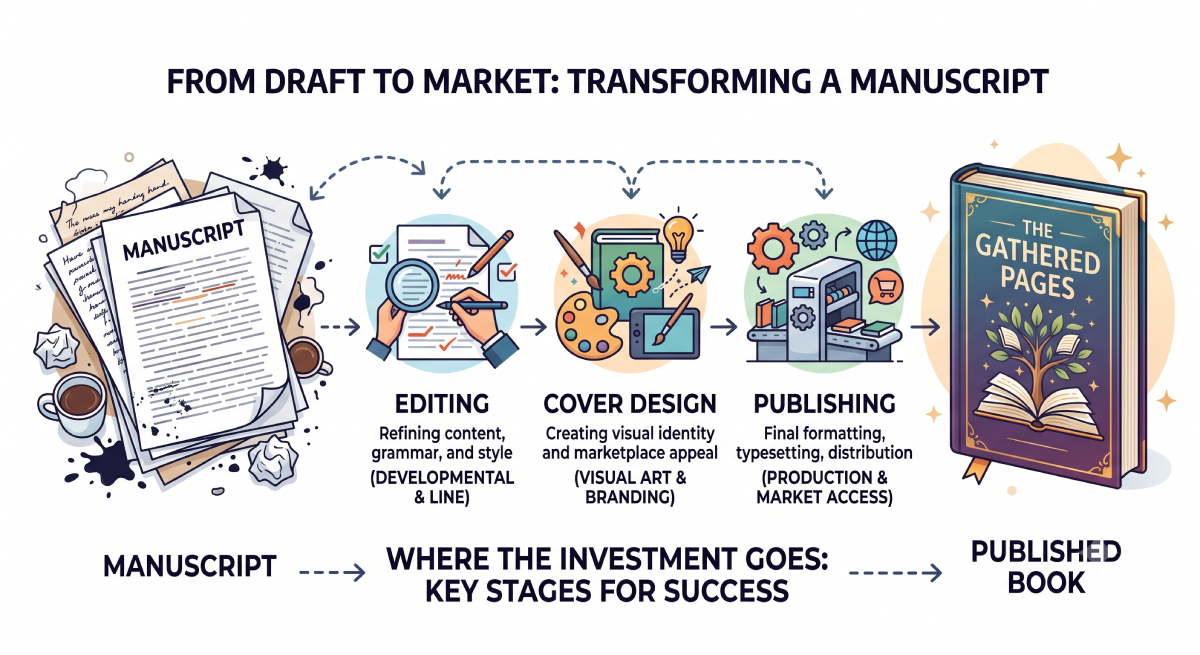
There is a popular myth floating around the internet that self-publishing a book is completely free. Technically, the final step is: hitting “upload” on a major digital retail platform won’t cost you a single penny. Because of this, thousands of indie authors fall into the dangerous DIY trap. They write a draft, format it themselves in a basic word processor, slap together a quick cover using free online software, and launch it into the world.
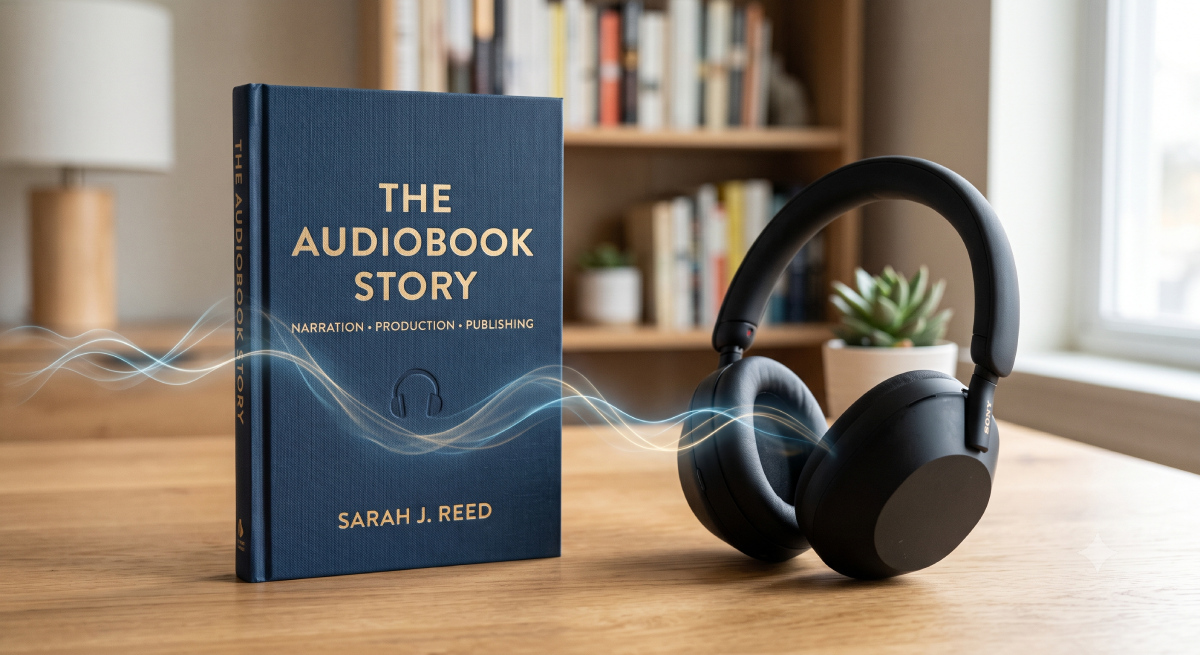
There was a time when audiobooks were considered a luxury format. They were expensive to produce, technically complicated to distribute, and mostly reserved for celebrity memoirs or massive traditional bestsellers.

Writing is, by its very nature, a notoriously lonely endeavor. You spend weeks, months, or even years locked away inside your own head, wrestling with plot points, fine-tuning arguments, and keeping company only with fictional characters or half-formed ideas. It is a deeply solitary craft. But when you finally type the last sentence and decide to share your work with the world, navigating the complex maze of self-publishing all by yourself can compound that stress tenfold.